A solid cardio workout
Continuous movement to music keeps your heart rate up, which is a fun way to work on general fitness.
Independent guide · Malaysia
Curious about combat fitness classes? This is a friendly, no pressure guide for complete beginners in Malaysia. Learn what happens in class, what to wear and how to get started.
 12+ years teaching combat classes
01 · The basics
A combat cardio class is a group workout where you punch, kick, block and knee the air in time to loud, upbeat music. The moves come from martial arts and combat sports such as boxing, karate, kickboxing, Muay Thai and taekwondo, but you never hit anyone.
An instructor leads from the front and the whole room moves together, track by track. Each track focuses on a different set of moves, building up the energy before a cool down at the end.
You may see these classes on gym timetables under different names. One of the best known is BODYCOMBAT, a licensed programme from Les Mills that many gyms run. Other gyms create their own combat style classes. The format is similar: music, simple combinations and a lot of sweat.
02 · Why people love it
Everyone's body responds differently, but here is what many regulars enjoy about combat classes.
Continuous movement to music keeps your heart rate up, which is a fun way to work on general fitness.
Punches, kicks and stance changes use your arms, legs, shoulders and core together.
Learning combinations to a beat can help with timing, balance and coordination over time.
Many people find that throwing punches to loud music after work is a great way to clear the head.
Group classes come with built in motivation. Regulars often become friends, which makes it easier to keep showing up.
No partner, no equipment and no experience needed. You choose your own intensity every time.
This guide shares general information only and is not medical advice. If you have a health condition or injury, speak to a doctor before starting a new workout.
03 · Your first time
Come about 10 minutes before the start. Check in at the front desk, fill your water bottle and find the studio.
Tell them it is your first class. A good instructor will keep an eye out for you and show the simpler options.
Stand somewhere you can see the instructor clearly. The middle or side of the room works well, so you can also follow the people around you.
Class starts with easy moves to warm up your body and learn the basic stance and guard.
Each song brings new combinations. The intensity rises and falls. Do the low option, slow down or pause whenever you need.
The last track brings your heart rate down. Then grab your towel, drink some water and enjoy the buzz.
04 · Packing list
Keep it simple. You do not need anything special for your first class.
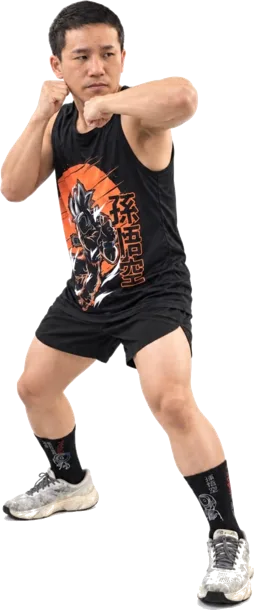
05 · Getting started
Combat style group classes are offered at many gyms and studios across Malaysia. Timetables change often, so always check the latest schedule with the gym.
Many larger gyms run group classes as part of membership. Look on the timetable for combat, kickboxing or BODYCOMBAT classes and ask at the front desk about trial passes.
Smaller fitness studios sometimes run their own combat cardio sessions with smaller groups, which can feel less crowded for beginners.
Special events and masterclasses are a fun way to try a high energy class with a big crowd. Follow instructors you like to hear about upcoming sessions.
Featured instructor
06 · Featured instructor
Les Mills Advanced Level BODYCOMBAT instructor · Subang Jaya, KL and Selangor
Dr. Steven Goh has taught BODYCOMBAT for over 12 years. Celebrity Fitness Mid Valley was his main club from 2013 to early 2026, and he also taught at Celebrity Fitness Sunway Pyramid, Main Place, SetiaWalk and Subang Parade, plus gyms such as Anytime Fitness and True Fitness. His classes were known for full studios of 40+ members.
He was a Reebok Malaysia Brand Ambassador from 2014 to 2018, presented BODYCOMBAT new release launches from 2014 to 2018, and has appeared on Astro AWANI. Several of his long term students went on to become certified instructors themselves.
In early 2026 Steven moved from regular weekly gym classes to masterclasses, events and private sessions. He is available for gym classes, masterclasses, corporate wellness days and private groups in Kuala Lumpur, Selangor and elsewhere in Malaysia. For current dates and bookings, see his profile.
The assessment form is a Team Teach assessment tool for instructors in training.
07 · Questions
No. Combat cardio classes are designed for regular gym members. Every move is taught to music, and instructors usually show a simpler option for beginners. Nobody expects you to know a jab from a hook on day one.
No. You punch and kick the air, not a person or a bag. There is no partner work in a typical combat cardio class, so you can focus on your own pace.
You do not need to be fit already. Go at your own pace, take the lower intensity option and rest when you need to. If you have a medical condition, an injury or you are pregnant, check with your doctor before starting a new exercise programme.
It depends on the gym. Many classes run between 30 and 60 minutes, including a warm up and a cool down. Check the timetable at your gym.
No equipment is needed. Bring comfortable workout clothes, supportive training shoes, a water bottle and a small towel.
Combat cardio is the general name for martial arts inspired group workouts set to music. BODYCOMBAT is a specific licensed programme by Les Mills that many gyms run. Some gyms also offer their own combat classes under other names.
Start with one or two classes a week and see how your body feels. Rest days matter, especially in the first few weeks.
Many gyms and studios in Malaysia run combat style group classes. Ask at your local gym for the current timetable, or look at the featured instructor on this page for masterclasses, events and private sessions in KL and Selangor.
Find a class near you, stand where you can see, and go at your own pace. You will be surprised how fast it clicks.
Meet the featured instructor